The already-iconic Barbie movie is at the center of a whirlwind of new controversies, leading to its ban in two Middle Eastern countries, Lebanon and Kuwait.
The bans reflect the growing tensions between cultural values, societal norms, and the depiction of Western, modern ideals in cinema.
Lebanon’s culture minister, Mohammad Mortada, is reportedly spearheading the move to prohibit the screening of the film in the nation’s cinemas.
Citing concerns over the movie’s content, Mortada claimed that the film was promoting homosexuality and undermining religious principles. This decision seems to be align with the thoughts and priorities of Hezbollah, which has become very powerful in Lebanon.
Mortada’s plea highlights the film’s purported focus on “homosexuality and sexual transformation,” which he believes contradicts the core tenets of faith and morality while undermining the sanctity of family values.
He has called upon Lebanon’s general security agency, which handles all censorship requests, to take swift and resolute action to prevent the film being shown in Lebanon.
Meanwhile, Kuwait has already taken a stand by imposing an outright ban on Barbie.
Reports from local sources suggest that the chairman of the film censorship committee expressed serious concerns about the film’s potential to perpetuate “unacceptable behavior” and distort the prevailing societal values in the country.
Kuwait and Lebanon are not the only countries to move to stop their citizens from seeing Barbie.
Vietnam and the Philippines decided to bar public screenings of the pink-hued movie due to a scene featuring a world map that stirred international debate.
In the moment in question, Barbie stands before a hand-drawn map that includes a dashed line extending from the edges of an incomplete Asia. This depiction bears a resemblance to the controversial “nine-dash line,” a representation used in Chinese maps to assert territorial control over parts of the South China Sea.
This contentious region has long been a subject of dispute among several countries, including China, Taiwan, Indonesia, Malaysia, the Philippines, and Vietnam.
Barbie emerged as a bona fide box office sensation the moment it arrived in theaters. The film’s rapid ascent to over $1 billion in ticket sales within a few weeks showcases its undeniable appeal and commercial power, even if some countries won’t allow it to be shown.
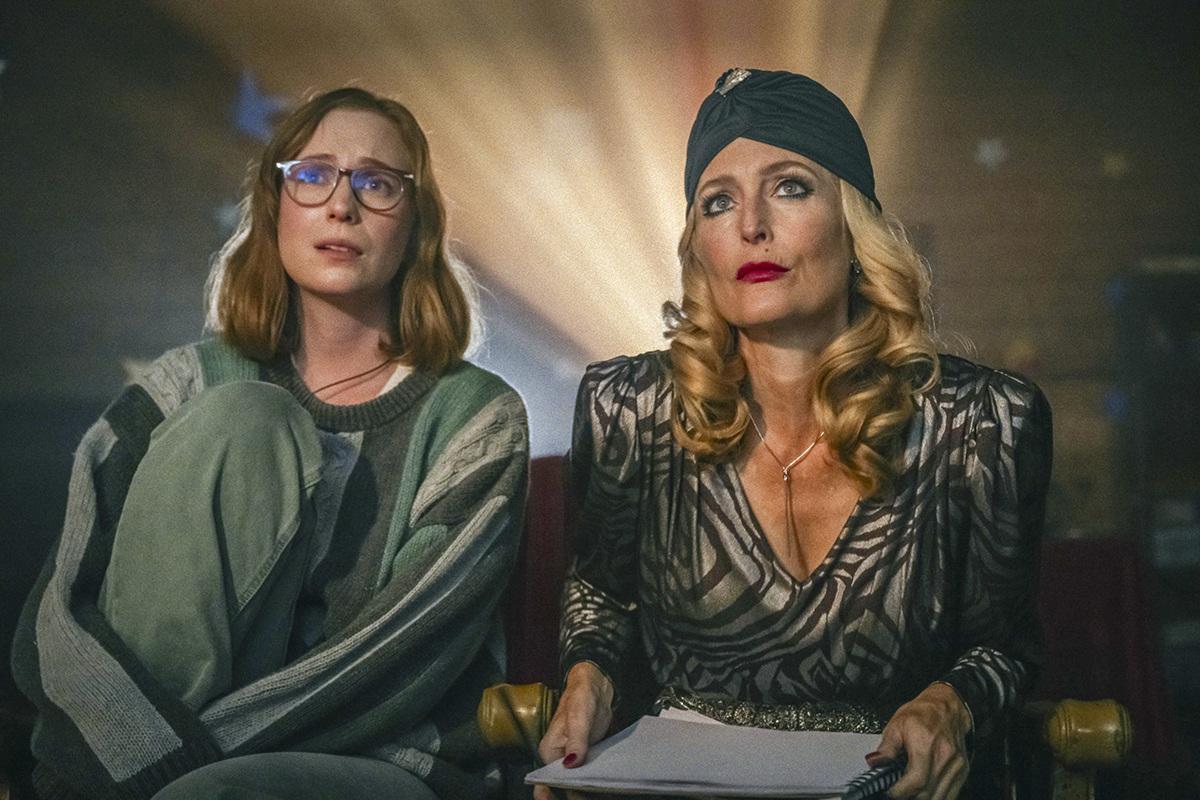
Jane Schoenbrun makes movies for the weirdos for whom movies are realer than real life. In their films, old films and TV shows are portals to another world, vehicles of escape for characters whose own lives are weighted down by alienation and dysphoria. In 2024's extraordinarily haunting I Saw the TV Glow, two such characters find solace in a '90s TV show called The Pink Opaque, whose nightmarish visions, filmed with campy zeal by Schoenbrun, cross over and become realer than the empty contours of their unfulfilled lives.
The filmmaker is deeply attuned to the way pop-culture obsessions can both alleviate and intensify loneliness. It almost feels like a self-fulfilling prophecy; you can easily imagine Schoenbrun's own films, beginning with 2022's eerie We're All Going to the World's Fair, serving this role, being treasured and passed around by alienated youth the way previous generations latched onto Donnie Darko or The Nightmare Before Christmas. Loneliness seeps through the pores of Schoenbrun's cinema, but so does the possibility of queer connection and self-actualization.
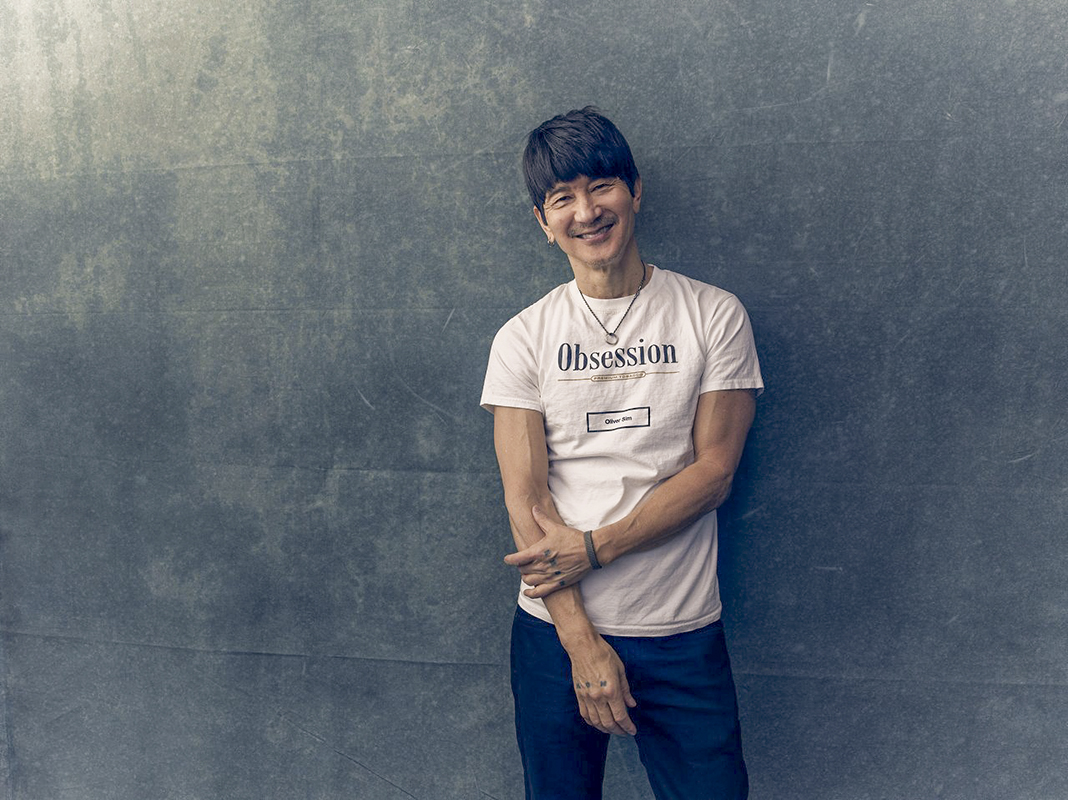
"I want people to enjoy themselves," says Gregg Araki of his newest blast of a film, I Want Your Sex, in which a starkly gorgeous Olivia Wilde plays a super-trendy abstract artist -- she makes vaginas out of chewed pink bubble gum -- who takes her latest employee, a doe-eyed innocent played by Cooper Hoffman, on a carnal thrill ride that blurs the line between sexual harassment and sensual awakening.
"I remember when we first started screening the film when I was still working on the edit," says Araki, 66, "and people were surprised by how friendly it was. The sensibility behind I Want Your Sex is fun and pop. I want to bring a little bit of joy into the world."
Everybody just wants Ridley Scott to get on with it.
By that, of course, I mean wrap up the damn Alien trilogy he started with Prometheus and left dangling -- quite unnervingly -- nearly a decade ago with Covenant. But Ridley is a stubborn old director, and he's going to make what he feels like making, even if he teases us sadistically with promises of "Maybe it'll be my next film -- I'm developing it."
Kodak film from 1966 develops faster.
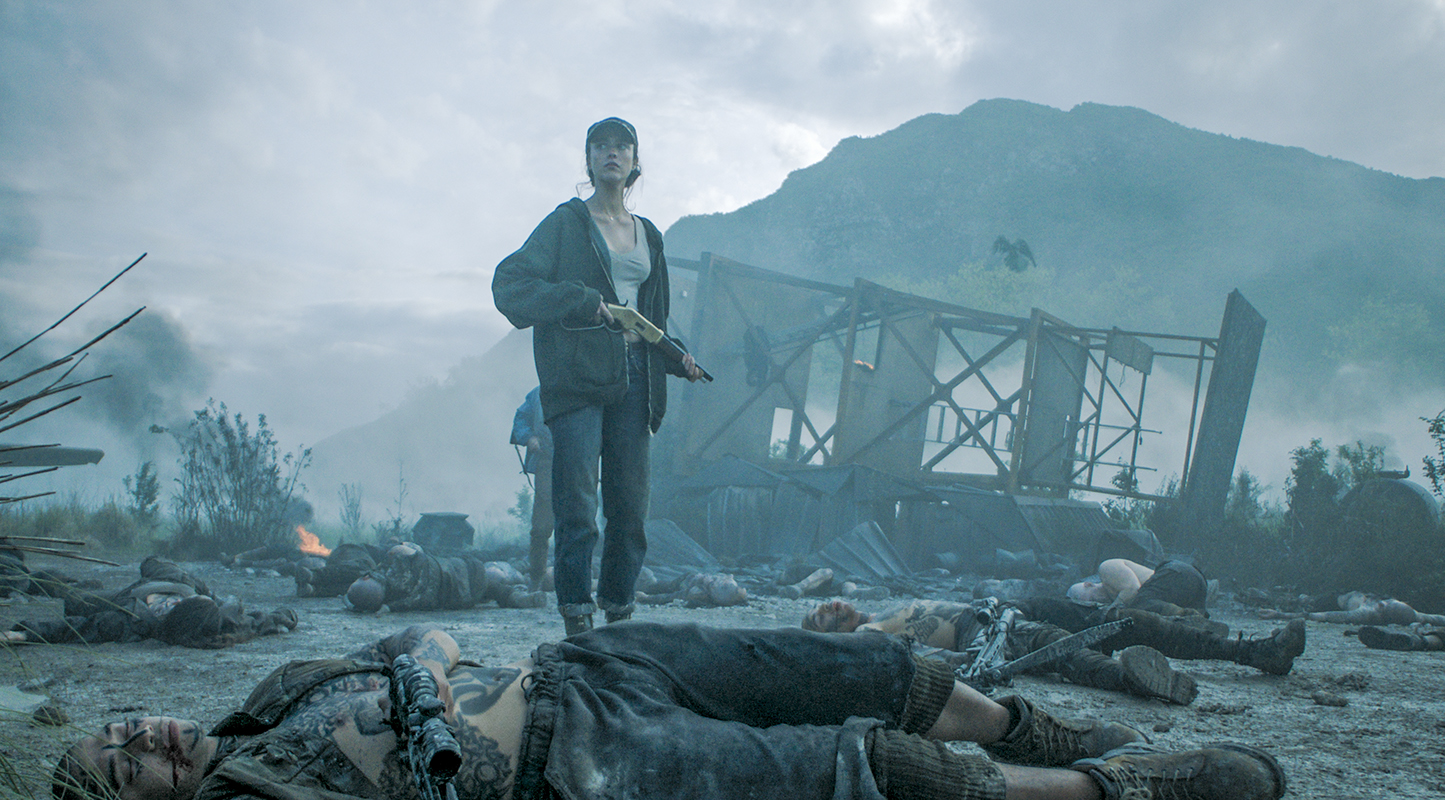
I am one of those people -- a fan, if I'm being honest -- who really, really, really want to see how David's story resolves and how the Xenomorph actually comes into being, if that's even the point anymore. So you'll pardon me for going into Scott's latest film, The Dog Stars, with a critic's chip on my shoulder. I didn't expect to be thrilled, interested, or moved. I didn't expect to like it, even slightly.
These are challenging times for news organizations. And yet it’s crucial we stay active and provide vital resources and information to both our local readers and the world. So won’t you please take a moment and consider supporting Metro Weekly with a membership? For as little as $5 a month, you can help ensure Metro Weekly magazine and MetroWeekly.com remain free, viable resources as we provide the best, most diverse, culturally-resonant LGBTQ coverage in both the D.C. region and around the world. Memberships come with exclusive perks and discounts, your own personal digital delivery of each week’s magazine (and an archive), access to our Member's Lounge when it launches this fall, and exclusive members-only items like Metro Weekly Membership Mugs and Tote Bags! Check out all our membership levels here and please join us today!







You must be logged in to post a comment.