A Dunkin’ Donuts display – Photo: Qfamily, via Wikimedia
A transgender man has filed a federal discrimination lawsuit against a Dunkin’ Donuts franchise in Scarborough, Maine, alleging that he was sexually harassed by co-workers, demoted, and ultimately fired after being outed by his manager.
Kye Hubbard, of Westbrook, Maine, filed the lawsuit in the U.S. District Court for the District of Maine last Wednesday, alleging that he was harassed and discriminated against because of his gender identity.
The lawsuit names Cafua Management Co. LLC, a Massachusetts-based franchise which owns Dunkin’ Donuts stores in seven different states, and its subsidiary, Exit 42 Donuts, LLC, which operates the store where Hubbard worked for 11 months from February 2018 to January 2019.
In May 2018, Hubbard alleges that a store manager outed him as transgender to his co-workers, even though he had requested confidentiality. Afterwards, Hubbard’s co-workers sexually harassed him and called him several transphobic slurs.
When he complained to a corporate manager, he was told his supervisor would be fired, according to the lawsuit. But the store manager was simply transferred to another store.
In June, the franchise hired a new manager, who allegedly revoked some of Hubbard’s shift leader responsibilities and excluded him from management talks in which he had formerly participated. Hubbard also alleges that his computer privileges were revoked. When Hubbard threatened to report the manager’s conduct to Cafua’s human resources department, the manager allegedly asked if there was anything “sexually” she could do to prevent him from reporting her, according to the lawsuit.
That manager also repeatedly misgendered Hubbard, sent him a message calling him “sexy,” and posted a customer complaint about Hubbard for all other employees to see. After Hubbard filed a complaint about the second manager, he was demoted from his shift leader position.
Hubbard claims he was ultimately fired for vaping on work property about a week after telling management that he had reported the harassment to the Maine Human Rights Commission, even though other employees had been permitted to vape outside the store, so long as they were not seen by customers.
Two months after he was fired, Hubbard amended his complaint with the Human Rights Commission, reiterating his earlier allegations, and alleging that he was also discriminated against in violation of the Maine Human Rights Act — which prohibits discrimination based on sexual orientation or gender identity — as well as the Maine Whistleblowers’ Act and Title VII of the Civil Rights Act of 1964.
The U.S. Supreme Court recently ruled in a 6-3 decision that the prohibitions on sex discrimination in Title VII of the Civil Right Act apply to instances where LGBTQ people are discriminated against because of their sexual orientation or gender identity. As a result, LGBTQ people who believe they have been discriminated against in the workplace are now empowered to sue for damages and compensation.
A spokesperson for the Maine Human Rights Commission told the Bangor Daily News that the commission did not issue a formal determination in Hubbard’s case, but sent him a “right-to-sue letter” in December 2019 that allowed him to pursue a civil lawsuit.
According to the lawsuit, Hubbard is requesting a jury trial and is seeking back pay, compensation for mental anguish and financial stress, and reinstatement to his former position — or additional compensation, or “front pay,” if he can’t be reinstated.
Cafua Management Co. refused to comment on the pending lawsuit, but a company spokesperson said that Dunkin’ franchises are independently operated by owners, who make their own decisions about employment issues.
“Dunkin’ and our independent franchisees have a longstanding history of embracing diversity,” Dunkin’ Brands spokesperson Michelle King said. “Discrimination is completely inconsistent with our values, and we strive to create inclusive work cultures.”
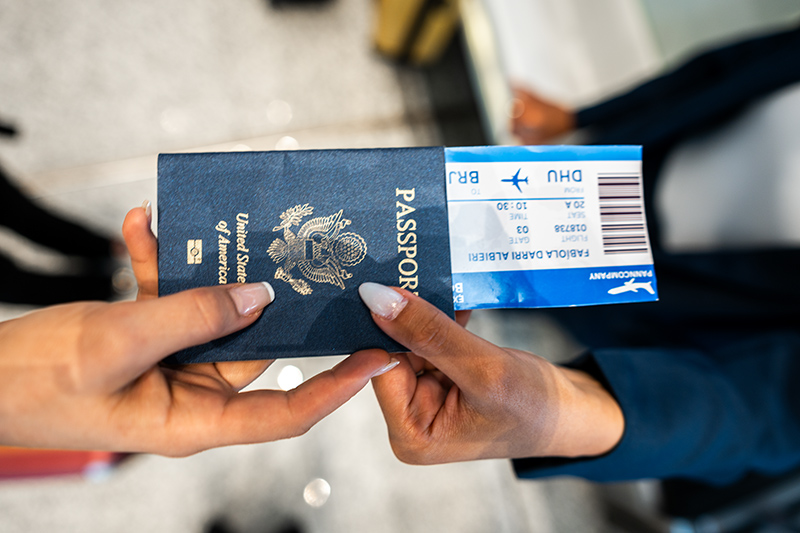
The U.S. Supreme Court has cleared the way for the Trump administration to enforce a policy mandating that U.S. passports list a traveler’s sex as assigned at birth, based on biological characteristics.
On his first day in office, President Donald Trump signed an executive order declaring that the U.S. government would recognize only two sexes, effectively erasing transgender identity. The order, which pledged to uphold "the biological reality of sex," directed the State Department to revise its passport policies to "accurately reflect the holder's sex."
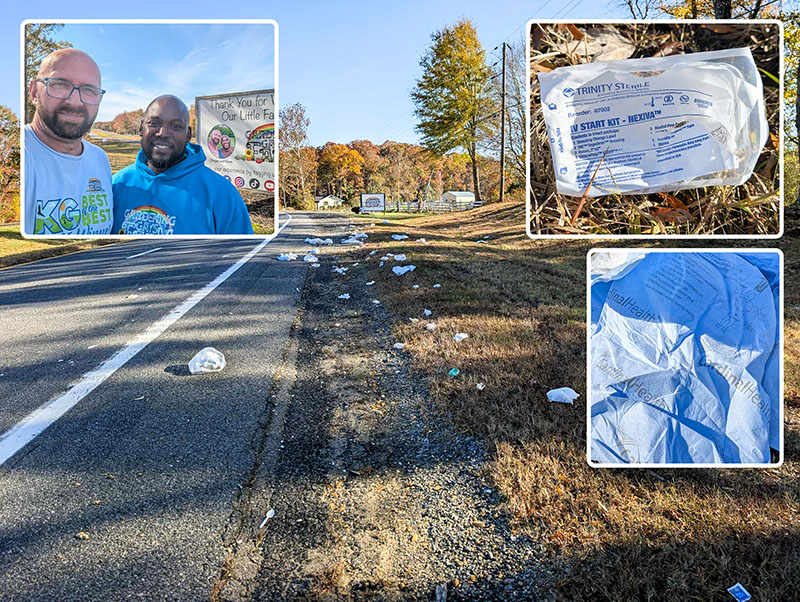
An interracial gay couple who run an award-winning farm in King George County, Virginia, say they were the targets of a hate-filled act after someone deliberately dumped medical waste on their property following last week’s state elections.
Kevin Graham, 44, and Dragan Kurbalija, 47, own Gardening Gays Farm, a 27-acre property along U.S. Route 301 where they sell flowers, eggs, seasonal produce, and pasture-raised meats, including lamb and chicken.
They also sell jams, sauces, teas, herbal remedies, local honey, handcrafted candles, and other artisan goods at their on-site store, and share their experiences as farmers on YouTube. The business was recently voted King George County’s “Overall Best Business,” “Best Family-Owned Business,” and “Best Agricultural Business” in a county-sponsored “Best of the Best” contest.
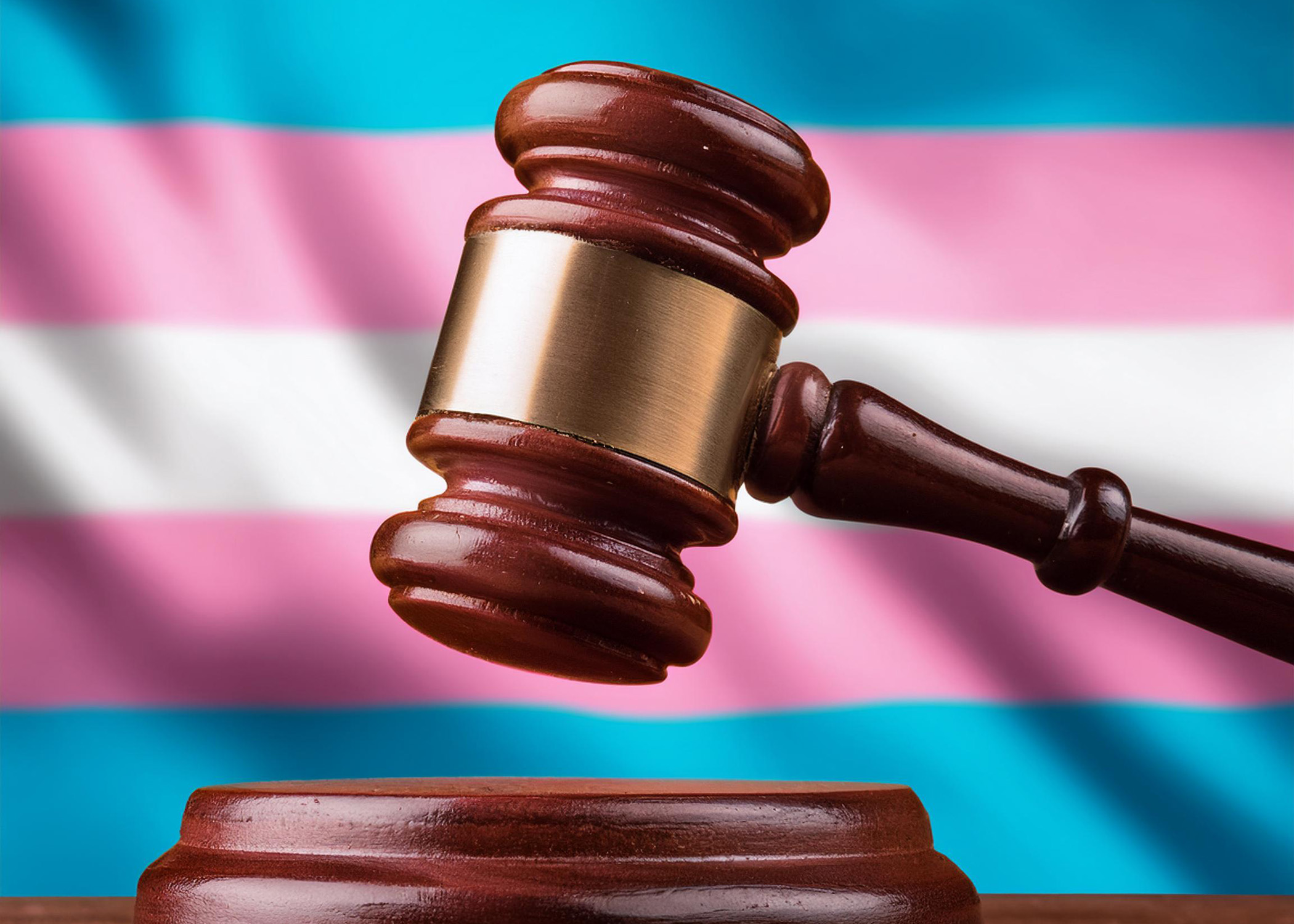
Federal Judge Victoria Calvert has permanently blocked a portion of Georgia’s law banning prisoners from receiving gender-affirming care, ruling on Dec. 3 that the state’s blanket ban on hormone therapy violates the Eighth Amendment’s prohibition on cruel and unusual punishment.
Signed by Gov. Brian Kemp in May and implemented in July, the law bars prisoners from receiving hormone therapy or other treatment for gender dysphoria -- even when a doctor deems it medically necessary. It prohibits the state from funding such care and blocks transgender inmates from paying for it themselves. Non-transgender prisoners, however, may still receive hormone therapy and other gender-affirming treatments so long as the care is not related to gender transition.
These are challenging times for news organizations. And yet it’s crucial we stay active and provide vital resources and information to both our local readers and the world. So won’t you please take a moment and consider supporting Metro Weekly with a membership? For as little as $5 a month, you can help ensure Metro Weekly magazine and MetroWeekly.com remain free, viable resources as we provide the best, most diverse, culturally-resonant LGBTQ coverage in both the D.C. region and around the world. Memberships come with exclusive perks and discounts, your own personal digital delivery of each week’s magazine (and an archive), access to our Member's Lounge when it launches this fall, and exclusive members-only items like Metro Weekly Membership Mugs and Tote Bags! Check out all our membership levels here and please join us today!







You must be logged in to post a comment.