Serene on the surface, seething with desire beneath, Alain Guiraudie’s French thriller Misericordia is fascinatingly strange, creepy, and suspenseful.
Much as the filmmaker’s masterful 2013 thriller Stranger by the Lake planted a sinister seed by setting a serial killer loose in a tranquil outdoor gay cruising spot, here Guiraudie upends a seemingly wholesome homecoming in the countryside with dark undercurrents of sex and violence.
Although, beyond a couple of pointed shots of male nudity and one shot of bleeding, there’s little sex or violence onscreen. Merely the potential for the former and the threat of the latter linger equally over nearly every scene in this odd chamber piece set in a remote village tucked amid the forested hills of Occitanie in Southern France.
Jérémie, portrayed with an intense gaze by Félix Kysyl, returns to his home village from the city for the funeral of his former boss, the town’s devoted baker, who was like a father to him. He’s welcomed with an open heart by the baker’s widow, Martine (Catherine Frot), and received much less warmly by her adult son, Vincent (Jean-Baptiste Durand).
Hints of a brotherly rivalry clearly run deeper, certainly for Vincent, who eyes Jérémie with suspicion from the moment he sees him. Suspicion shifts to outright aggression after Jérémie decides to stay in town for a while in the home of Martine. She’s happy to have Jérémie’s company. He’s out of work back in Toulouse, and, hey, maybe he’ll take over the bakery. None of this pleases Vincent.
Jérémie is also eager to rekindle a friendship with Walter (David Ayala), who happens to be Vincent’s best friend, and to whom Jérémie seems inexplicably attracted. Ayala is especially effective portraying slobbish Walter’s utter confusion over Jérémie’s ardent interest.
Little does Walter know, but inexplicable attraction runs rampant through these hills. Even sly, elderly priest Philippe, played by Jacques Develay in the film’s most complex performance, can’t deny desire. But, of course, desires will be thwarted. Resentments fester, aggression escalates, and someone in this tiny town goes missing.
As suggested by the title, which means “mercy” or “compassion” in Latin, Guiraudie doesn’t just escalate to homicidal intentions but also explores ensuing acts of compassion. Throughout, the script and direction maintain an air of quiet dread, aided by both the commanding presence of Kysyl — serving the unnerving vibe of a young, handsomer Klaus Kinski — and the isolated, pastoral setting.
These verdant woods, brilliantly shot by Stranger by the Lake cinematographer Claire Mathon, are abundant in varieties of morels and mushrooms. So, tromping through the woods is a town pastime, leading many of the movie’s characters searching through the morning mist that clouds the forest. Some go to escape, others to hunt, and not just for mushrooms.
Guiraudie gets maximum mileage out of the photogenic fungi, which, as it turns out, grow extremely well in the soil over a hastily buried body, a dead giveaway to murder perhaps. Ultimately, the local gendarmerie gets involved in the form of an inspector (Sébastien Faglain) and his steady assistant (Salomé Lopes).
Faglain’s droll deadpan performance as the incredibly persistent, slightly insouciant investigator helps bring the movie home with an unexpected comedic twist, which might be the most inexplicable desire of all, but it works.
Misericordia (★★★★☆) is unrated and playing in select theaters, including Alamo Drafthouse Bryant Street, 630 Rhode Island Ave. NE in Washington, D.C. Visit www.fandango.com.
You've heard of Chekhov's Gun. Now consider "Chekhov's Bees." If a backyard apiary of bees is introduced at the beginning of the movie, the bees will be whipped into a frenzy by the film's end, terrorizing some poor character.
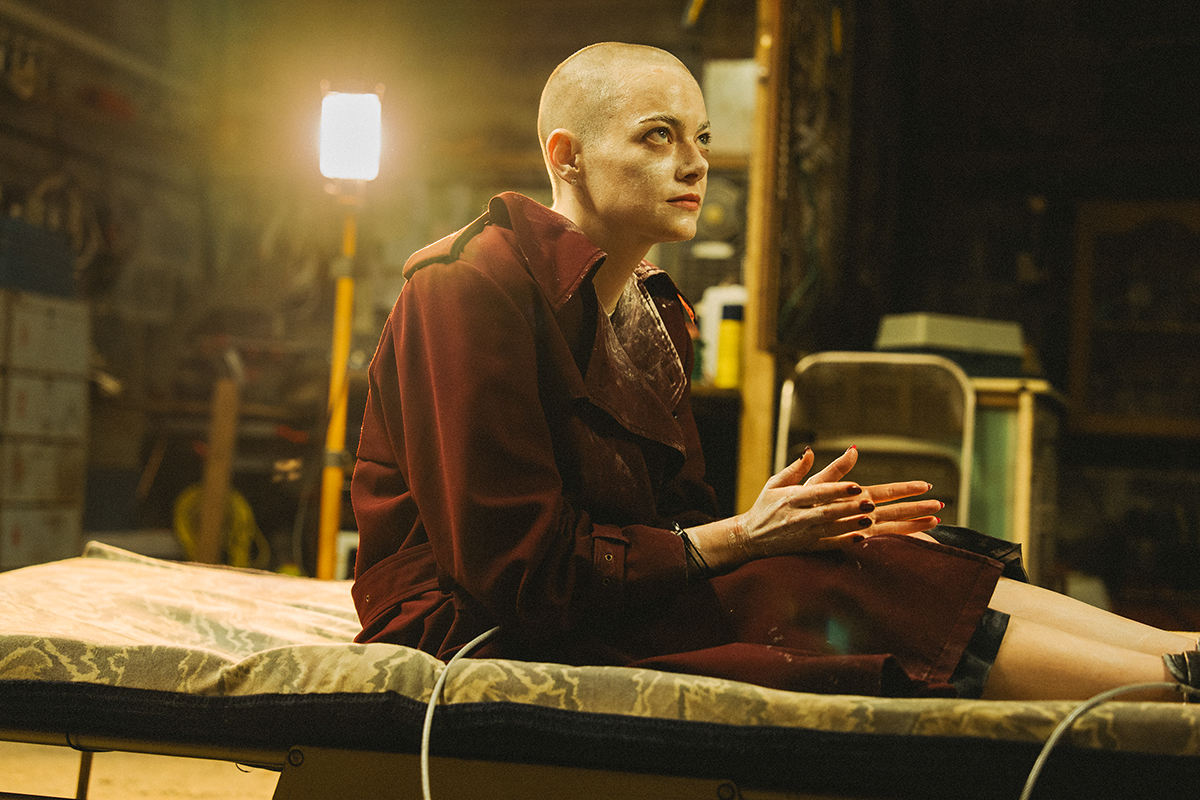
Bugonia, the fiendishly funny new nightmare from Greek filmmaker/provocateur Yorgos Lanthimos (Poor Things, The Lobster), bears out this theory. The bees belong to our troubled hero, Teddy Gatz (a shaggy-bearded, greasy-haired Jesse Plemons), a conspiracy theorist and amateur beekeeper who lives in an old house with his young, neurodivergent cousin, Don (newcomer Aidan Delbis). Teddy spends his days working a menial warehouse job and his nights traveling down YouTube rabbit holes and obsessively developing theories involving Andromedan aliens who intend to destroy humanity.
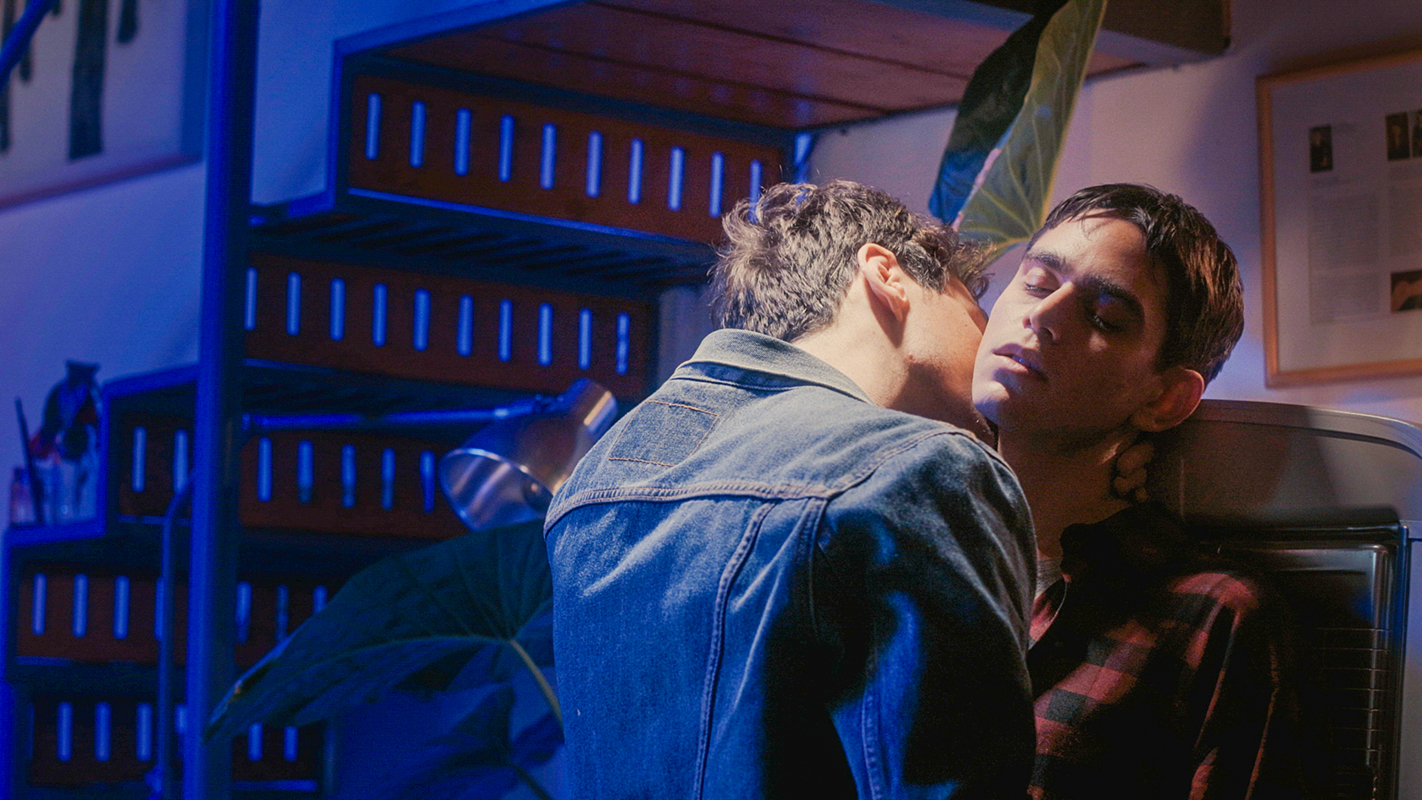
Before it veers into a gay cautionary tale, Tadeo Pestaña Caro's stylishly low-key A Few Feet Away maintains an effortless neutrality about the sex and dating exploits of its soft-spoken hero Santiago.
Just twenty years old, Santiago is an architecture student fairly new to Buenos Aires, a fresh, cute twink from the province still gaining his footing in the city. That telling detail, revealed during Santi's first hookup in the film, partly explains why he relies on the dating app Grindr for making new friends.
That does not explain why Santiago simply can't stay off Grindr. He becomes practically consumed with scrolling through faceless, nameless profiles, in desperate search of who knows what exactly. Hiding behind his profile name "Seth," he's not just after sex, it seems, and he's not looking for love, as far as we're led to believe.
#300Letters doesn't start cooking right away. The spicy, gay Argentinian "anti-romcom" warms up slowly as writer-director Lucas Santa Ana tees up the film's intriguing premise, then commits to the generally well-scripted follow-through.
The basic point-and-shoot camerawork does the script, co-written by Gustavo Cabaña, no favors, but the storytelling engages, along with the attractive cast. Cristian Mariani and Gastón Frías star as crossfit-crazed Jero and queer underground poet Tom, boyfriends who have become a gay "It couple" in Buenos Aires by sharing their unlikely romance on TikTok via The Tom and Jero Show.
These are challenging times for news organizations. And yet it’s crucial we stay active and provide vital resources and information to both our local readers and the world. So won’t you please take a moment and consider supporting Metro Weekly with a membership? For as little as $5 a month, you can help ensure Metro Weekly magazine and MetroWeekly.com remain free, viable resources as we provide the best, most diverse, culturally-resonant LGBTQ coverage in both the D.C. region and around the world. Memberships come with exclusive perks and discounts, your own personal digital delivery of each week’s magazine (and an archive), access to our Member's Lounge when it launches this fall, and exclusive members-only items like Metro Weekly Membership Mugs and Tote Bags! Check out all our membership levels here and please join us today!








You must be logged in to post a comment.